“I don’t know anything about coding. Is it too late to start?”
This is one of the most common questions Nigerian students ask when they hear about Computer Science Education Week. The answer is simple: it is never too late, and you do not need any prior experience to begin your coding journey.
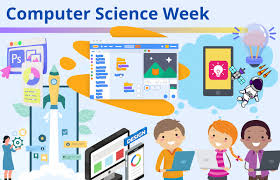
Computer Science Education Week (CSEd Week) is designed for everyone, from absolute beginners to experienced programmers. Whether you are a secondary school student in Lagos, a university undergraduate in Ibadan, or a young professional in Abuja looking to transition into tech, this week offers accessible pathways to get started.
The beauty of modern coding education is that you can learn from anywhere. With just a smartphone and internet connection, you can access world-class resources and join millions of learners across Africa and the globe. This article provides five practical, beginner-friendly ways Nigerian students can participate in CSEd Week, even if you have never written a single line of code.
Let us break down the barriers and show you exactly how to get started this week.
1. Join the Hour of Code Challenge (Your First Step into Programming)
The Hour of Code is the most popular activity during Computer Science Education Week, and for good reason. It is a one-hour introduction to computer science, designed to demystify coding and show that anybody can learn the basics.
What is the Hour of Code?
The Hour of Code is a global movement that has reached tens of millions of students in over 180 countries, including Nigeria. It offers coding tutorials in over 45 languages, covering topics from basic block coding to game development, web design, and artificial intelligence.
The best part? You do not need to download any software or have a powerful computer. Most tutorials run directly in your web browser, and many work perfectly on smartphones. This makes it ideal for Nigerian students who may have limited access to laptops or desktop computers.
How to Get Started:
Visit the official Hour of Code website at hourofcode.com. Browse through hundreds of tutorials organized by age, experience level, and interest. If you are a complete beginner, start with block-based coding using platforms like Scratch or Code.org. These visual programming languages let you create games and animations by dragging and dropping colorful blocks, no typing required.
For students interested in building websites, try the HTML and CSS tutorials. You will learn how to create your first web page in just one hour. If you love games, explore tutorials that teach you to build simple games like Flappy Bird or Minecraft-style adventures.
If you are using a smartphone, look for mobile-friendly tutorials. Many Hour of Code activities are optimized for smaller screens, making it easy to learn on the go. You can code during your commute, at home, or anywhere with internet access.
Why This Matters for Nigerian Students:
The Hour of Code proves that coding is not reserved for computer science students or people with expensive equipment. It is a skill anyone can learn, regardless of their background. For Nigerian students, this is especially empowering. You do not need to wait for your school to offer computer science classes. You can start learning today, right from your phone.
After completing your Hour of Code, share your achievement on social media using hashtags like #HourOfCode, #CSEdWeek, and #NigeriaTech. Inspire your friends to join and create a ripple effect of learning across your community.
Organizations like Kinplus Technologies often host Hour of Code events during CSEd Week, providing guided support and mentorship. Check their website and social media pages for announcements about free workshops and online sessions you can join.
2. Explore Free Coding Platforms for Beginners (Learn at Your Own Pace)
One of the biggest misconceptions about learning to code is that it requires expensive courses or bootcamps. While structured programs have their place, you can learn the fundamentals of programming completely free using online platforms designed for beginners.
Scratch: Visual Programming for Everyone
Scratch is a free programming language developed by MIT that uses colorful blocks instead of text-based code. It is perfect for absolute beginners, especially younger students. With Scratch, you can create interactive stories, games, and animations while learning core programming concepts like loops, variables, and conditionals.
Scratch has a vibrant global community where you can share your projects and get inspired by what others have built. Nigerian students are already creating amazing projects on Scratch, from educational games to animations that celebrate Nigerian culture.
Visit scratch.mit.edu to get started. No registration is required to explore projects, though creating an account (free) lets you save your work and share it with the community.
Code.org: Structured Learning Paths
Code.org offers free coding courses for all ages, from primary school students to adults. Their curriculum is designed to be self-paced, making it ideal for Nigerian students who may have irregular internet access or busy schedules.
The platform covers everything from basic block coding to JavaScript, Python, and web development. Each course includes video tutorials, practice exercises, and projects that help you apply what you have learned. Code.org also provides certificates upon completion, which you can add to your CV or LinkedIn profile.
For secondary school students preparing for JAMB or considering tech careers, Code.org’s Computer Science Principles course offers an excellent introduction to computational thinking and problem-solving.
Khan Academy: Learn Computer Science and Programming
Khan Academy offers free courses in computer programming, including JavaScript, HTML/CSS, and SQL databases. Their interactive coding environment lets you write code and see results instantly, making learning engaging and practical.
What makes Khan Academy special is its focus on project-based learning. Instead of just watching videos, you build real projects like interactive web pages, animations, and data visualizations. This hands-on approach helps Nigerian students develop portfolios they can showcase to potential employers or clients.
Khan Academy works well on both computers and mobile devices, and you can download some lessons for offline viewing, which is helpful if you experience frequent internet disruptions.
Why Free Platforms Matter for African Learners:
Cost is a significant barrier to tech education in Nigeria. Many families cannot afford expensive coding bootcamps or university computer science programs. Free platforms like Scratch, Code.org, and Khan Academy democratize access to quality education.
These platforms also recognize that African learners face unique challenges, from unreliable electricity to limited internet access. Many offer offline options, mobile-friendly interfaces, and low-bandwidth versions to ensure everyone can learn regardless of their circumstances.
By exploring these platforms during CSEd Week, you gain access to resources you can use long after the week ends. Make learning to code a habit, not a one-time event.
3. Attend Virtual Tech Workshops and Webinars (Connect with Nigerian Tech Community)
Computer Science Education Week is not just about solo learning. It is also an opportunity to connect with Nigeria’s vibrant tech community through workshops, webinars, and virtual events.
Finding CSEd Week Events in Nigeria:
During CSEd Week, tech organizations, coding schools, and community groups across Nigeria host free events. These range from beginner coding workshops to career panels featuring successful Nigerian developers, data scientists, and tech entrepreneurs.
Follow Nigerian tech organizations on social media to stay updated on CSEd Week events. Kinplus Technologies regularly hosts workshops and training sessions that introduce students to software development, data analysis, and digital skills. Their events are designed to be beginner-friendly and provide practical, hands-on learning.
Tech hubs in Lagos like Co-Creation Hub (CcHUB), Yaba, and Zone Tech Park often organize CSEd Week activities. Even if you are not in Lagos, many events are held virtually, allowing students from Kano, Port Harcourt, Enugu, and other cities to participate.
What to Expect at Virtual Workshops:
Virtual workshops typically include live coding demonstrations, Q&A sessions with industry professionals, and networking opportunities. You will learn not just technical skills but also hear real stories from people who have built successful tech careers in Nigeria.
These events are invaluable for understanding the Nigerian tech job market. You will learn which skills are in demand, what companies look for when hiring junior developers, and how to position yourself for remote opportunities with international companies.
Many workshops also provide certificates of participation, which can strengthen your CV and demonstrate your commitment to continuous learning.
Joining Tech Communities Online:
Beyond CSEd Week events, consider joining Nigerian tech communities on platforms like WhatsApp, Telegram, Discord, and Slack. Communities like Developer Circles Lagos, Python Nigeria, and She Code Africa provide ongoing support, mentorship, and job opportunities.
Platforms like Tech Linkup helps to find tech events near you. You can browse through and find physical, hybrid or virtual event to attend.
Why Community Matters:
Learning to code can feel isolating, especially if your friends and family do not understand what you are doing. Being part of a tech community gives you access to people who share your goals and challenges. You can ask questions, share your progress, and celebrate milestones together.
For Nigerian students, tech communities also provide mentorship from professionals who have navigated the same path. They understand the local context, from dealing with power outages to finding your first remote job, and can offer advice tailored to your situation.
4. Start a Simple Coding Project (Build Something Real)
The best way to learn coding is by building something. Theory is important, but practical application cements your understanding and gives you tangible results you can show others.
During CSEd Week, challenge yourself to complete a simple coding project. It does not have to be complex or perfect. The goal is to apply what you have learned and experience the satisfaction of creating something functional.
Beginner Project Ideas for Nigerian Students:
If you have completed an Hour of Code or explored Scratch, try building a simple game. Create a quiz app about Nigerian history, a calculator, or an interactive story. These projects teach you fundamental programming concepts while producing something fun and shareable.
For students interested in web development, build a personal webpage. Start with basic HTML and CSS to create a page about yourself, your hobbies, or your school. As you learn more, you can add interactivity using JavaScript.
If data interests you, try analyzing a simple dataset using tools like Excel or Google Sheets, then learn to do the same with Python. You could analyze Nigerian football statistics, exam scores, or market prices for common goods. This introduces you to data analysis, a highly valuable skill in Nigeria’s growing tech and business sectors.
Where to Find Project Inspiration:
Websites like Codecademy, freeCodeCamp, and GitHub have thousands of beginner project ideas with step-by-step instructions. You can follow tutorials to build your first project, then customize it to reflect your interests or Nigerian context.
For example, instead of building a generic weather app, create one that shows weather for Nigerian cities. Instead of a random recipe website, build one for Nigerian dishes like jollof rice, egusi soup, or suya. Making projects personally relevant keeps you motivated and makes learning more enjoyable.
Sharing Your Projects:
Once you complete a project, share it! Post screenshots or links on social media, show it to friends and family, or upload it to platforms like GitHub or Scratch. Sharing your work builds your confidence and helps you start creating a portfolio.
A portfolio is essential for Nigerian students looking to break into tech. Employers and clients want to see what you can build, not just what courses you have completed. Starting your portfolio during CSEd Week, even with simple projects, puts you ahead of the curve.
Kinplus Technologies encourages students to build portfolios as part of their training programs. If you are serious about a tech career, consider enrolling in their courses to get structured guidance and mentorship as you build more advanced projects.
Why Building Projects Matters:
Projects transform you from a passive learner into an active creator. When you build something, you encounter real problems and learn to solve them. This problem-solving ability is what makes great developers, not just memorizing syntax.
For Nigerian students, building projects also demonstrates self-motivation and initiative, qualities highly valued by employers. Even if you do not have a formal degree in computer science, a strong portfolio can open doors to internships, freelance opportunities, and full-time jobs.
5. Connect with Tech Communities Online (Find Mentors and Peers)
Learning to code is easier and more enjoyable when you are part of a community. During CSEd Week, make it a goal to connect with at least one tech community or find a mentor who can guide your learning journey.
Nigerian Tech Communities to Join:
Nigeria has a thriving tech community with groups for every interest and skill level. Whether you want to learn Python, web development, data science, or cybersecurity, there is a community for you.
Developer Circles and meetups exist in major Nigerian cities. These groups host regular events, workshops, and hackathons. Joining them gives you access to experienced developers who are willing to help beginners.
Women in tech communities like She Code Africa and Django Girls Nigeria provide supportive environments for female students interested in technology. These communities address the unique challenges women face in tech and offer mentorship, training, and networking opportunities.
For younger students, coding clubs in schools or online groups for teenage programmers provide age-appropriate learning environments. Organizations like Kinplus Technologies also run youth-focused programs that introduce secondary school students to coding.
Online Platforms for Tech Learning and Networking:
Join Nigerian tech groups on WhatsApp, Telegram, and Discord. These platforms host active discussions where you can ask questions, share resources, and learn from others’ experiences. Many groups also post job opportunities, freelance gigs, and scholarship announcements.
Platforms like GitHub and Stack Overflow connect you with the global developer community. While these platforms can be intimidating for beginners, they are invaluable as you progress in your coding journey. Start by exploring projects and reading discussions, then gradually contribute as your skills grow.
Finding a Mentor:
A mentor can accelerate your learning by providing guidance, answering questions, and helping you avoid common mistakes. During CSEd Week, reach out to someone whose career path inspires you. This could be a senior student, a teacher, a professional you met at a workshop, or someone in an online community.
When reaching out to potential mentors, be respectful of their time. Introduce yourself briefly, explain why you admire their work, and ask if they would be willing to answer a few questions or have a short call. Many professionals are happy to help beginners, especially during initiatives like CSEd Week.
If finding a one-on-one mentor proves difficult, group mentorship through communities and bootcamps is also valuable. Programs at Kinplus Technologies include mentorship components where students get guidance from industry professionals.
Why Community and Mentorship Matter:
No one learns to code alone. Behind every successful developer is a community that supported them, answered their questions, and encouraged them when learning got tough.
For Nigerian students, community connections also lead to job opportunities. Many tech jobs in Nigeria are filled through referrals and networking before they are ever publicly posted. Being active in tech communities increases your visibility and chances of hearing about opportunities early.
Moreover, communities provide accountability. When you share your learning goals with others, you are more likely to stay consistent and push through challenges. Celebrate your progress with your community and let their encouragement fuel your journey.
Bonus Tips for Nigerian Students During CSEd Week
Manage Your Time Wisely: If you are balancing school, work, or other responsibilities, dedicate at least 30 minutes daily to coding during CSEd Week. Consistency matters more than long study sessions.
Work with What You Have: Do not let lack of a laptop stop you. Many Nigerian developers started learning on smartphones. Use mobile-friendly platforms and make the most of your resources.
Document Your Journey: Keep a learning journal or blog about your coding experiences. This helps reinforce what you learn and creates content you can share to inspire others.
Deal with Power and Internet Challenges: Download tutorials and resources when you have good internet. Use offline coding tools when possible. Many learning platforms offer downloadable content for this reason.
Stay Motivated: Learning to code has challenges, especially in the beginning. Remember why you started and keep your end goal in mind, whether it is getting a tech job, building your own app, or solving problems in your community.
Conclusion: Your Journey Starts Now
Computer Science Education Week is your invitation to join Nigeria’s booming tech industry. You do not need permission, expensive equipment, or a computer science degree to start. You just need curiosity, commitment, and the willingness to take that first step.
This week, commit to one or more of these five approaches: complete an Hour of Code, explore free learning platforms, attend a virtual workshop, build a simple project, or connect with a tech community. Each step moves you closer to tech proficiency and opens doors to exciting opportunities.
Remember, every expert developer was once a beginner who decided to start. Nigerian tech leaders like those at Flutterwave, Paystack, and Andela all began their journeys with simple tutorials and small projects. Your story could be next.
Kinplus Technologies is here to support your journey beyond CSEd Week. Whether you need structured training, mentorship, or career guidance, Kinplus offers programs designed for Nigerian learners at every stage.
This Computer Science Education Week, do not just observe. Participate. Learn. Build. Connect. Your future in tech starts today.
Happy coding, Nigeria! Let us build the future together.